
Our Campaigns
We’ve strengthened our approach by unifying related initiatives into powerful, holistic projects that address the interconnected needs of people, animals, and the planet. Each campaign is designed for lasting, community-led impact.
Conscious Choices

Planetary Health. Student Leadership. Compassion in Action.
Conscious Choices is our Humane education campaign that empowers students to become advocates for a healthier, more just world. Rooted in the understanding that human health, animals and environmental stability are deeply interconnected, this project brings humane education to life in schools across Uganda.
What We Do
We equip young people with knowledge and practical skills to make informed, ethical choices. Through interactive workshops, student-led research, and creative expression, we encourage critical thinking about food systems, kindness to animals, and stewardship of the planet.
Why It Matters
When young people understand the power of their choices, they don’t just change their own lives — they transform their communities. Conscious Choices builds a generation of confident, informed leaders who carry compassion into every decision they make.
Core Activities
- Planetary Health Education: In-school workshops exploring the links between climate justice, nutrition, and animal protection through the lens of interconnection and systems thinking.
- Student Leadership & Voice: We amplify youth perspectives through the Conscious Choices Magazine and Podcast, where students share essays, poetry, and personal journeys toward compassion.
- School Gardening Program: Mentoring students to establish and maintain organic vegetable gardens that serve as living classrooms for sustainability and food literacy.
- Wellbeing & Awareness Campaigns: Peer-led initiatives addressing bullying, depression, and drug abuse, fostering emotional resilience and safe school environments.
- Girls’ Stay-in-School Initiative: We provide menstrual hygiene products and support to ensure girls never miss class due to lack of resources.
- Community & School Clubs: Creating spaces where students, teachers, and neighbors gather to learn about plant-based living and advocate for animal rights beyond the classroom.
Get Involved
Bring Conscious Choices to your school! Request a workshop, start a garden, submit a student article, or tune into our podcast. Together, we’re growing change that lasts a lifetime.
A Million Meals
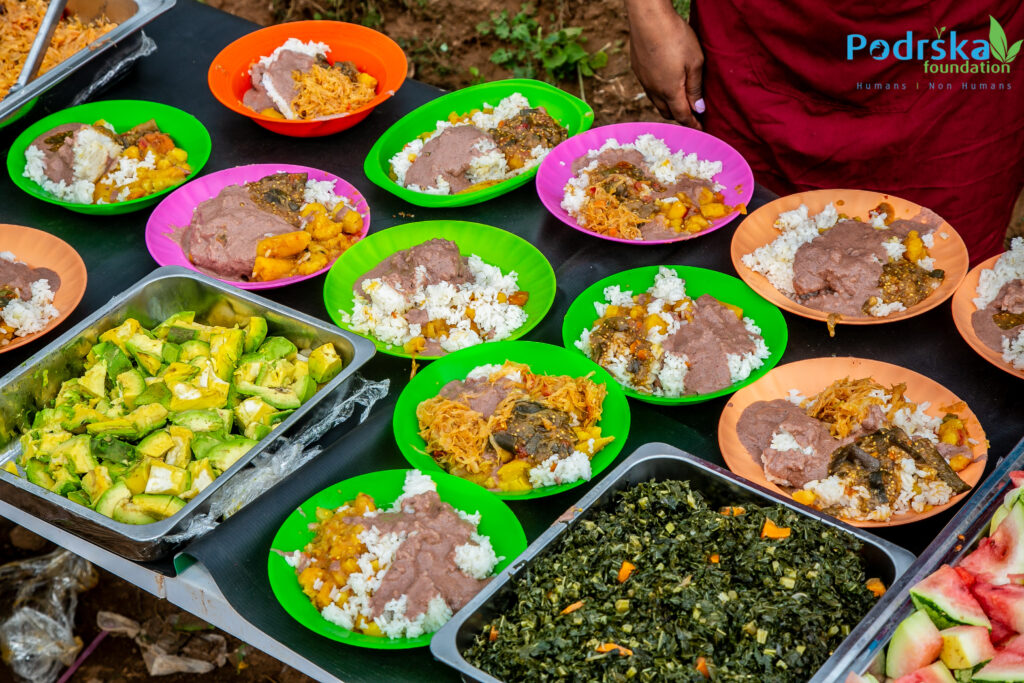
Nourishing Children. Protecting Wildlife. Stabilizing Our Climate.
A Million Meals is our comprehensive food security initiative, born from emergency COVID-19 relief and grown into a sustainable movement. We believe no child should learn on an empty stomach and that lasting change requires more than meals. It requires systems that nourish people, protect wildlife, and heal the planet.
What We Do
We provide daily nutritious plant-based meals to schoolchildren while simultaneously equipping communities with the skills and resources to grow and sustain their own food. Our approach transforms emergency aid into long-term resilience for both human communities and the ecosystems they depend on.
Why It Matters
Hunger, wildlife loss, and climate change are not separate crises — they are symptoms of broken food systems. By addressing them together, A Million Meals creates solutions that work for children, for forests, and for the future of our planet.
Core Activities
- Plant-Based School Meals: The heart of our campaign. We serve balanced, locally-sourced meals to 1,572 children daily across seven schools for many, the only consistent nutrition they receive. Each meal supports learning, health, and dignity while demonstrating the viability of plant-based nutrition.
- Food as Conservation: Protecting Wildlife & Climate: Near Uganda’s national parks, we address food insecurity as a conservation strategy. By strengthening local food systems, we:
- Reduce pressure on wildlife habitats: Communities less dependent on forests for survival means less poaching, less illegal logging, and more space for endangered species like mountain gorillas and elephants to thrive.
- Mitigate human-wildlife conflict: When crops fail, families turn to protected areas. Our climate-smart agriculture provides reliable harvests, reducing encounters between people and wildlife.
- Sequester carbon through regenerative farming: Our agroforestry and organic farming techniques rebuild soil health, increase biodiversity, and draw down carbon turning farmland into a climate solution.
- Climate-Smart Gardens: We establish school and community gardens that teach organic, drought-resilient farming techniques. These living classrooms produce food while demonstrating how agriculture can adapt to a changing climate and mitigate its effects.
- Parent & Community Training: Over 1,000 parents have learned sustainable farming practices, creating ripple effects of food sovereignty throughout their households. Each trained farmer becomes an advocate for methods that protect rather than deplete the land.
- Holistic Child Support: Through our school feeding network, we ensure children receive not only nutrition but also health checkups, learning materials, and the encouragement they need to thrive in the classroom.
- Emergency & Community Food Distribution: When crises arise, we respond with food parcels and community meals, ensuring vulnerable families have a safety net.
Get Involved
Join our volunteer journey in Uganda! Help prepare meals, build school gardens, or lead nutrition workshops. Your hands and heart can create lasting change. Consider making a monthly gift to help us reach even more children and protect more wildlife with daily nutrition.
Eco Plates
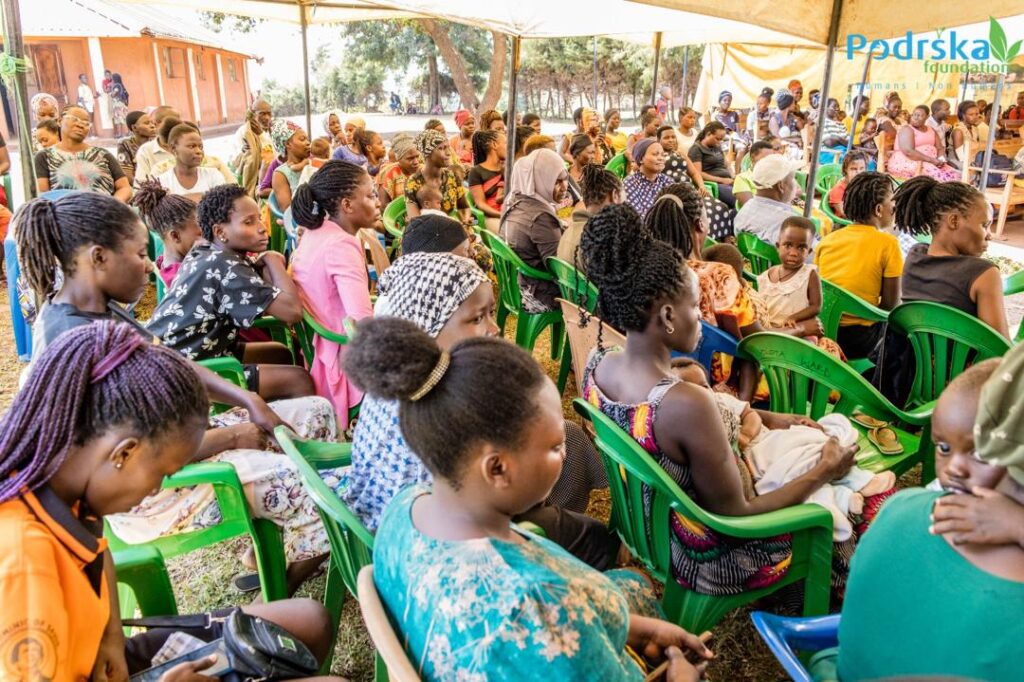
Cooking. Sharing. Transforming Menus. A movement to make plant-based the new normal.
Eco Plates is our vibrant community project that uses food as a bridge to compassion. We believe a delicious plant-based meal is one of the most powerful tools for change and that by transforming what's on our plates, we can transform our world.
What We Do
We bring plant-based food to the streets, into community kitchens, and straight to the tables of local restaurants. Through hands-on cooking, direct outreach, and strategic partnerships with the food industry, we make compassionate eating accessible, celebrated, and expected.
Why It Matters
By working directly with restaurants, we’re not just adding a few options we’re transforming the food landscape. When planat-based dishes become permanent menu items, compassion becomes a choice that’s always available.
Core Activities
- Community Cooking & Skill-Building: We host hands-on cooking classes and live demonstrations in schools, community centers, and at local events. These sessions demystify plant-based cooking, teaching families and students how to prepare healthy, affordable, and delicious meals using locally-sourced ingredients. Our goal is to build community demand for plant-based options by making them familiar and desirable.
- Street Outreach & Food Sharing: Our outreach teams take to the streets, sharing free, hot plant-based meals in public spaces. This direct engagement opens non-judgmental conversations about food choices, animals, and environmental health. Each meal shared is both an act of kindness and a powerful demonstration that plant-based food is satisfying, accessible, and for everyone.
- Food Literacy & Advocacy: Through workshops and resources, we educate communities on the connection between daily food choices and broader issues like climate change, personal health, and animal welfare. We empower individuals to become advocates not just at home, but by requesting plant-based options at their favorite local restaurants and celebrating establishments that offer them.
- The Eco Plates Restaurant Week: Shifting Menus for Good (Flagship Event): Our flagship initiative creates lasting change in the local food industry. The Eco Plates Restaurant Week is an annual, city-wide event that partners with local restaurants, cafes, and food vendors to permanently expand plant-based offerings.
How It Works:
- We invite eateries to feature creative, standout plant-based dishes during the week.
- Our team provides free support: recipe ideas, chef consultations, and marketing materials.
- Restaurants test new dishes with zero financial risk, gauge customer interest, and train staff in plant-based preparation.
- A dedicated “Eco Plates Restaurant Map” guides the community to participating venues.
- Diners vote for their favorite dishes, sending a clear market signal to restaurants.
The Goal: Permanent Menu Change
We work with owners and chefs post-event, providing data on dish performance to encourage long-term adoption. The ultimate aim is for restaurants to increase plant based options on the menu permanently.
Get Involved
Are you a restaurant owner, chef, or food lover? Join Eco Plates! Partner with us for Restaurant Week, attend a cooking class, or volunteer at our next street outreach. Together, we can make plant-based the new normal.
University Outreach & Clinics
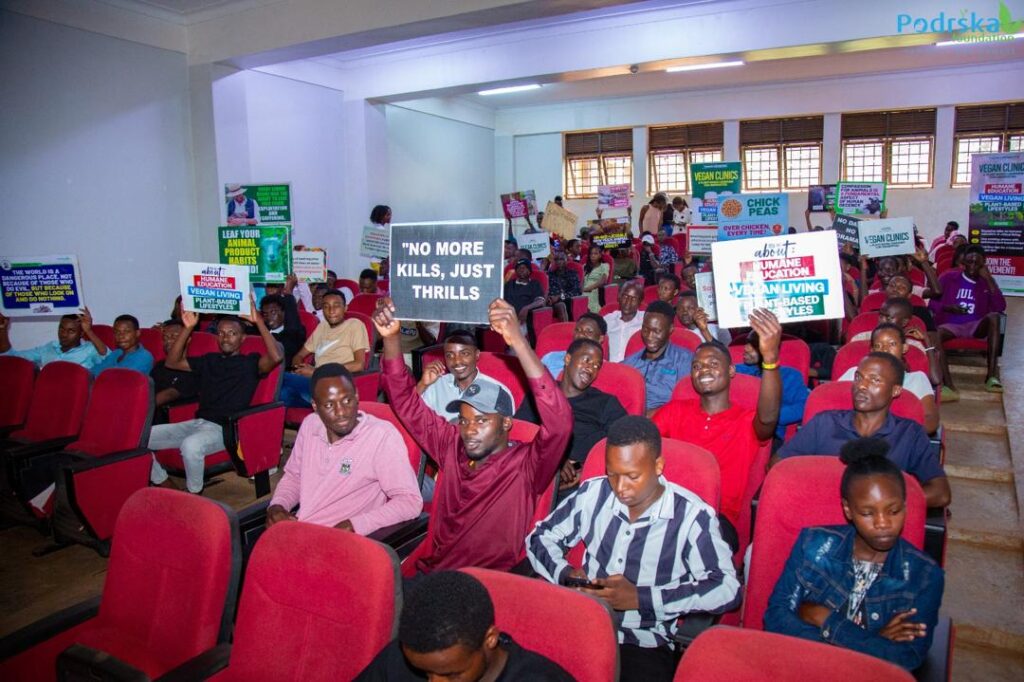
Critical Thinking. Compassionate Leadership. Campus Action. Innovation for a Plant-Based Future.
University students are powerful agents of change. Our University Outreach program engages young adults in deep exploration of ethical food systems, animal advocacy, and environmental justice through workshops, mentorship, and hands-on clinics. But we don't stop at awareness we're building the next generation of innovators who will create the alternatives our world needs.
What We Do
We create spaces on campus for critical dialogue, skill-building, and cross-sector collaboration. By connecting students with experts from agriculture, food science, business, and conservation, we equip them to turn compassion into concrete solutions including the development of meat alternatives that can transform our food system.
Why It Matters
University shapes the leaders of tomorrow. By engaging students during these formative years and connecting them with the tools and partners to build real alternatives. we plant seeds of innovation that will transform our food system for decades to come. The scientists who develop Africa’s first scalable plant-based protein, the entrepreneurs who build the continent’s vegan food companies, the policymakers who champion humane agriculture they’re in our classrooms today.
Core Activities
- Ethics & Advocacy Workshops: Exploring the philosophical and practical dimensions of animal rights, climate justice, and sustainable living. Students grapple with the big questions: How do we feed a growing population without destroying the planet? What role should technology play in creating a humane food system?
- Leadership Clinics: Mentoring students to design and lead their own advocacy campaigns on campus and beyond. From organizing meatless Mondays to launching planetary health initiatives, we help students turn ideas into impact.
- Meat Alternatives Innovation Hub: This is where campus meets industry. We partner with:
- Agricultural faculties to explore plant-based protein sources suited to Ugandan soils and climate
- Food science departments to develop delicious, affordable meat alternatives using local ingredients
- Business schools to create viable business models for plant-based food enterprises
- Local entrepreneurs and investors to bring student innovations to market
Through hackathons, research collaborations, and internship placements, students contribute directly to building a local plant-based food industry that can compete with and eventually replace exploitative animal agriculture.
- Research & Dialogue: Facilitating student research projects on food systems, health, and environmental impact. We connect students with conservation scientists working at the intersection of agriculture and wildlife protection, creating a pipeline of young professionals equipped to tackle complex challenges.
- Campus Partnerships: Collaborating with university groups to host events, screenings, and guest lectures from leaders in animal advocacy, alternative protein development, and climate justice.
Get Involved
Are you a university student, faculty member, or industry partner? Join us! Host a workshop, collaborate on research, mentor a student entrepreneur, or invest in the next generation of meat alternative innovators. Together, we’re building the future of food.
Peaceful Demonstrations & Public Action

Visible Justice. Nonviolent Protest. Speaking Truth to Power.
Real change happens where the public can see it. Our peaceful demonstrations and public marches bring attention to the industries and practices that cause suffering to animals, damage the environment, and often go unchallenged in everyday life.
What We Do
We organize non-violent, strategic public actions that expose cruelty and inspire change. Each demonstration whether a march through town or a protest outside a supermarket is designed to challenge assumptions, spark conversation, and build momentum for a more just world.
Core Activities
- Protests Against Animal Exploitation: We’ve protested the leather industry, exposing cruelty behind fashion. We’ve challenged the dairy industry, revealing the cycle of forced pregnancy and calf separation. We actively protest the fish industry, bringing visibility to the suffering of billions of overlooked animals.
- Environmental Justice Marches: Public actions highlighting the link between food systems, climate destruction, and biodiversity loss — including the role of animal agriculture in driving both.
- Public Awareness Campaigns: Billboard campaigns, media engagement, and street theatre that amplify our message beyond the protest line.
Why It Matters
Peaceful protest is a cornerstone of social movements. By taking our message to the streets, we reach people who might never encounter these ideas otherwise and we show the world that another way is possible.
Get Involved
Join our next peaceful demonstration! Follow us on social media for action alerts, or contact us to learn how you can support our public advocacy work.
Donations
Donations to specific projects can be made to our Donorbox campaign pages:
General Infos:
Science-based sites that inform the statements made above
- https://www.preventionofdisease.org/
- https://www.pcrm.org/about-us
- https://www.health.harvard.edu/staying-healthy/the-right-plant-based-diet-for-you
- https://nutritionstudies.org/whole-food-plant-based-diet-guide/
- https://www.forksoverknives.com/wellness/vegan-toddler-healthy/#gs.41iz9q
- https://www.nutritiousvida.com/blog/dietitian-raising-vegan-children
- https://nutritionfacts.org/